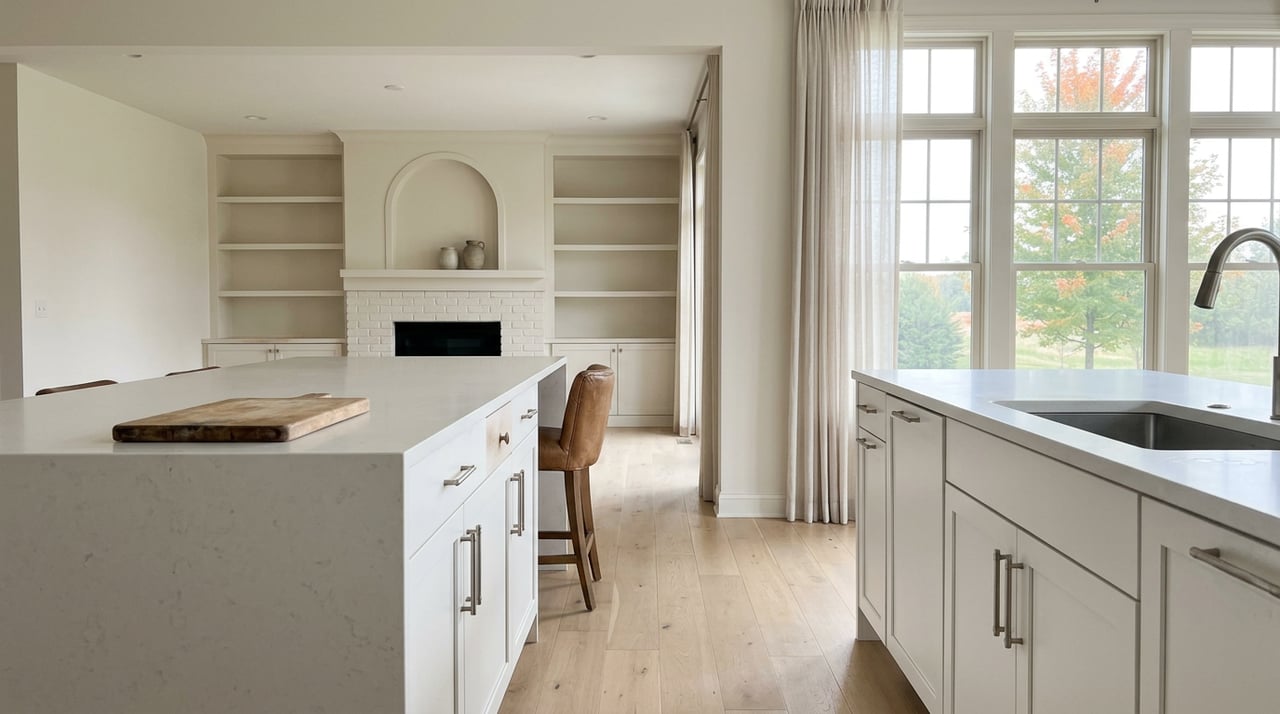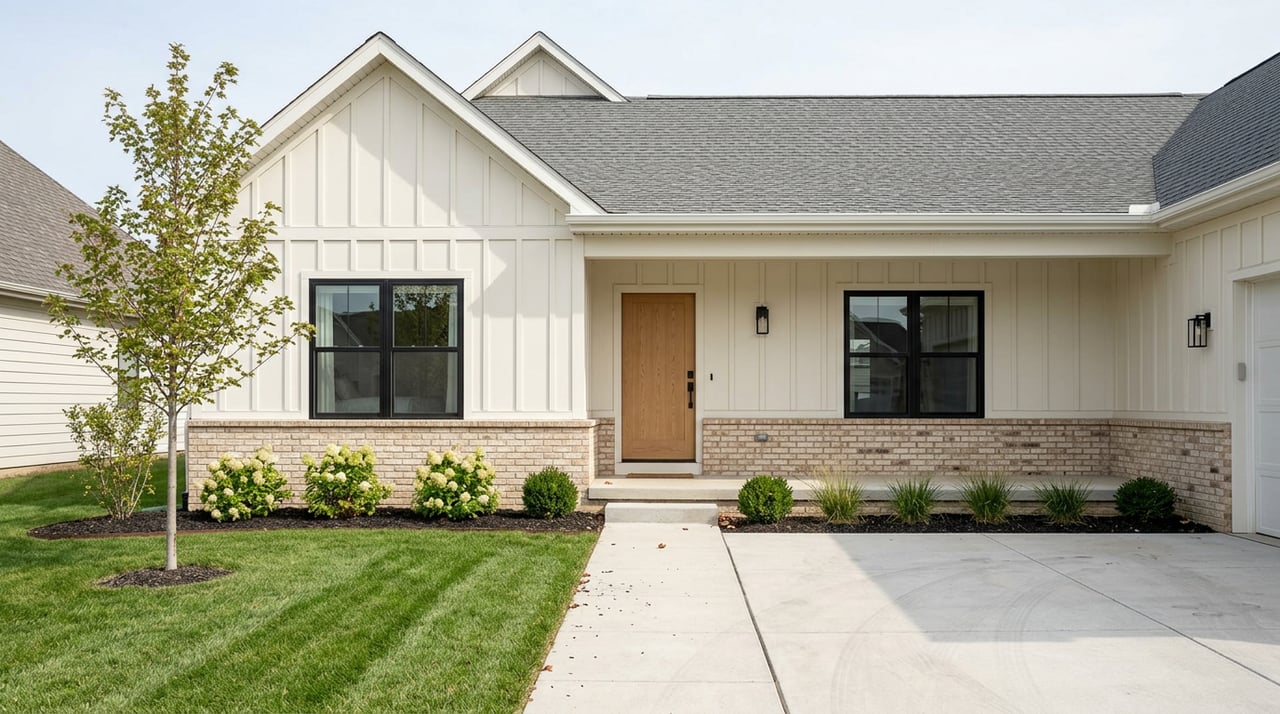
Thinking about a brand-new build or an existing home in Elkhorn? Both paths can be great fits depending on your timeline, budget, and appetite for decisions. You want clarity on costs, how fast you can move, and what local factors like SIDs and HOAs mean for your monthly payment. This guide walks you through the trade-offs specific to Elkhorn so you can choose with confidence. Let’s dive in.
Quick decision guide
- If you need to move within 60–90 days, focus on existing homes or true spec homes that are already complete. If you have 6–12 months or more, new construction becomes realistic.
- If you want to customize floor plans and finishes, new builds offer selection time and builder allowances. If you prefer established landscaping and less decision-making, consider resale.
- If you want fewer near-term repairs and potentially lower energy bills, a new home often helps. If you want a lower purchase price and can budget for updates, a resale can be smart.
- If you want to understand monthly costs accurately, evaluate SIDs and HOAs early. These items are common in Elkhorn subdivisions and change affordability.
Timelines in Elkhorn
New construction timing
Many production or spec communities target roughly 6–12 months from contract to completion for typical builds, while custom homes can take 12–18 months or more. Weather, permitting, material lead times, and change orders all affect delivery. Key phases include lot reservation, contract and options, selections, rough-ins, finishes, inspections, and certificate of occupancy. Review the builder’s written schedule and milestones so you know when decisions are due and how change orders are handled. For a broader overview of stages and averages, see this summary of typical build timelines and phases from HomeTriangle.
HomeTriangle new-build timing overview
Existing home timing
Once a seller accepts your offer, the common mortgage-backed path to closing runs about 30–45 days, depending on appraisal timing, inspection repairs, and lender workflow. In a competitive pocket, existing listings can go under contract quickly, so pre-approval and readiness help. If you are relocating on a tight schedule, a resale or a truly move-in-ready spec home is your fastest route. The typical contract-to-close timing is outlined in this HomeLight consumer guide.
Typical contract-to-close timing
Builder incentives and contract tips
Builders sometimes offer closing-cost help, interest rate buydowns, or upgrade packages to move inventory. Incentives can be tied to using a preferred lender or title company, so read that fine print early. Ask for all deadlines and allowances in writing, plus what happens if the schedule slips. Your buyer’s agent should review the builder contract before you sign.
Customization and warranties
Choices and change orders
New construction gives you selections for cabinets, counters, flooring, lighting, and more. That is the fun part, but it also means firm decision deadlines and potential costs if you change direction mid-build. Request the full allowance sheet and change-order pricing rules before you sign. With a resale, you can plan updates on your own timeline after closing.
Warranty basics buyers expect
Many new-home sellers offer a version of a 1-2-10 warranty format that covers workmanship for 1 year, major systems for 2 years, and structural elements for up to 10 years. Always read the actual documents so you know coverage, exclusions, and claim steps. Nebraska law sets time limits for construction-related claims, so keep all paperwork and document issues quickly. You can review the state statute governing actions related to construction and warranty timing here.
Nebraska statute on construction-defect timing (25-223)
Inspections still matter
Even on a new build, independent inspections are smart. A pre-drywall check can catch framing, electrical, and plumbing issues before walls close. A final third-party inspection helps you create a punch list before the builder’s warranty clocks start. For a plain-language overview of key build stages when inspections help, see this new-build timing resource.
Where inspections fit in the build process
Costs over time
Purchase price vs operating costs
New homes often have higher up-front pricing but may lower near-term repair bills and can be more energy efficient. If the home carries ENERGY STAR or similar ratings, you may see measurable utility savings compared to older homes of similar size. Ask builders for any certifications, a HERS score, or energy modeling data. ENERGY STAR explains how their program works and why certified homes tend to use less energy.
How ENERGY STAR homes save energy
Maintenance planning for resales
Existing homes can come with shorter-term upgrades like roof, HVAC, water heater, or kitchen and bath refreshes, depending on age and condition. A solid home inspection gives you a to-do list and helps you budget. Many homeowners set aside a percent of the home’s value each year for maintenance and small replacements. Your specific number should reflect the house, inspection findings, and contractor estimates.
Lots and neighborhoods
Elkhorn has a healthy mix of established neighborhoods and newer subdivisions. Many recent communities show lots in the approximate 6,000–14,000 square foot range, with some larger parcels nearby. Newer areas often feature sidewalks, ponds, and planned streetscapes, while older streets may offer mature trees and a more established feel.
Here is a quick way to think about lot size trade-offs:
- Smaller lots, often closer to shared amenities, can mean less yard work and a neighborhood feel.
- Larger lots can offer more privacy and outdoor space but often require more time and budget for landscaping.
SIDs and HOAs in Elkhorn
What SIDs are and why they matter
In Nebraska, many newer subdivisions sit inside Sanitary and Improvement Districts. SIDs finance infrastructure like streets, sewers, and lighting by issuing bonds and levying assessments on properties inside the district. This adds a recurring, tax-like cost that can last for decades and affects your monthly payment. You can read the statute that defines SIDs here.
Required SID disclosures
Nebraska requires certain SID disclosures to buyers and has rules about statements SIDs must provide. Before you commit, request the district’s annual statement and confirm how the levy appears on your tax bill. The FindLaw summary of Nebraska’s SID disclosure rules is a helpful reference.
SID disclosure summary (31-727.03)
You can also use Douglas County’s SID resource page to identify the district for a specific address and find governance details.
Douglas County SID lookup and info
HOAs, rules, and resale packages
HOAs set neighborhood rules and collect dues for common areas and services. Ask for covenants, budgets, reserves, meeting minutes, and a resale or estoppel certificate before you finalize your offer. The Nebraska Real Estate Commission provides consumer resources and standard forms that outline common disclosures and acknowledgments.
NREC consumer resources and forms
Your due-diligence checklist
Use this list to compare a new build and a resale in Elkhorn:
- Confirm if the property is in a SID and request the district’s latest annual statement. Use the Douglas County SID resource page for a quick lookup.
- Ask about planned or potential annexation that could change services over time.
- Request HOA documents and a resale or estoppel certificate. Review dues, budgets, reserves, and any pending assessments.
- Get builder warranty documents in writing. Note coverage periods, claim steps, and any arbitration rules. Keep all records, and review Nebraska’s 25-223 statute so you know claim time limits.
- Schedule inspections. For new builds, plan a pre-drywall and a final inspection. For resales, get a full inspection plus any specialists the inspector recommends.
- Clarify financing early. If building, ask lenders about construction-to-permanent options and how draws, interest-only payments, and conversion work.
- Study the lot. Ask about grading, drainage, easements, finished floor elevation, basement options, and any fencing or landscaping requirements.
- Protect your timeline. Negotiate a realistic completion date with milestone checkpoints and remedies if the builder misses substantial completion.
Which choice fits you?
- Choose new construction if you want tailored finishes, lower early repairs, and you have the time to wait for delivery. Ask about energy certifications and confirm all selections and deadlines in writing.
- Choose an existing home if you value a faster move and established neighborhoods. Budget for updates that match your style and plan them in phases.
Either path can be a win in Elkhorn. If you want a calm, step-by-step plan and local context on SIDs, HOAs, timelines, and builders, we are here to help. Reach out to schedule a consult and talk through your goals one-on-one with Rachel Rentschler.
FAQs
Are SIDs common in Elkhorn and should I worry?
- SIDs are widely used for newer Nebraska subdivisions and add a recurring levy for infrastructure; request the SID annual statement, confirm costs with your lender, and review the state’s SID statute for context.
Will a new home lower my utility bills?
- New homes built to current codes and certified by programs like ENERGY STAR often use less energy than older homes; ask for any certifications, a HERS score, or builder energy data.
Do I still need an inspection on a new build?
- Yes. Independent pre-drywall and final inspections help catch issues before drywall and give you a punch list to address within the builder’s warranty windows.
New-build stages where inspections help
What if I need to move to Elkhorn fast?
- Prioritize resales or move-in-ready spec homes; typical mortgage closings run about 30–45 days once you are under contract, subject to appraisal, inspections, and lender timelines.