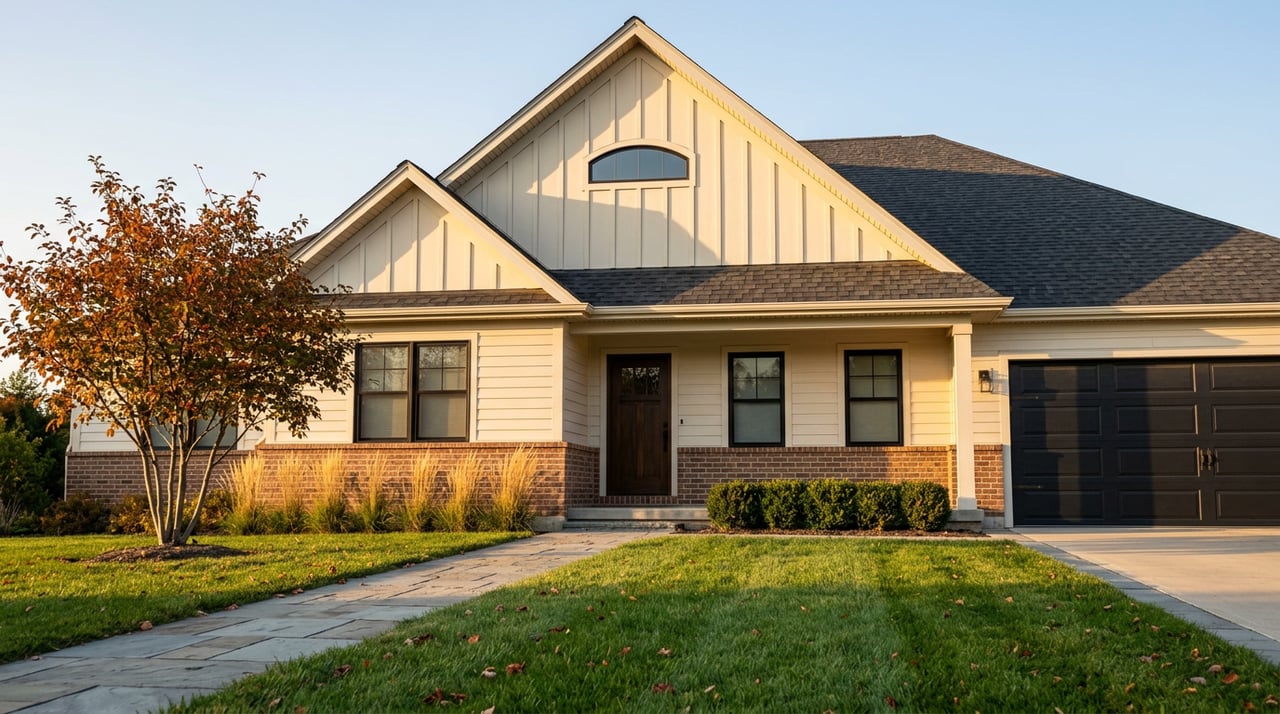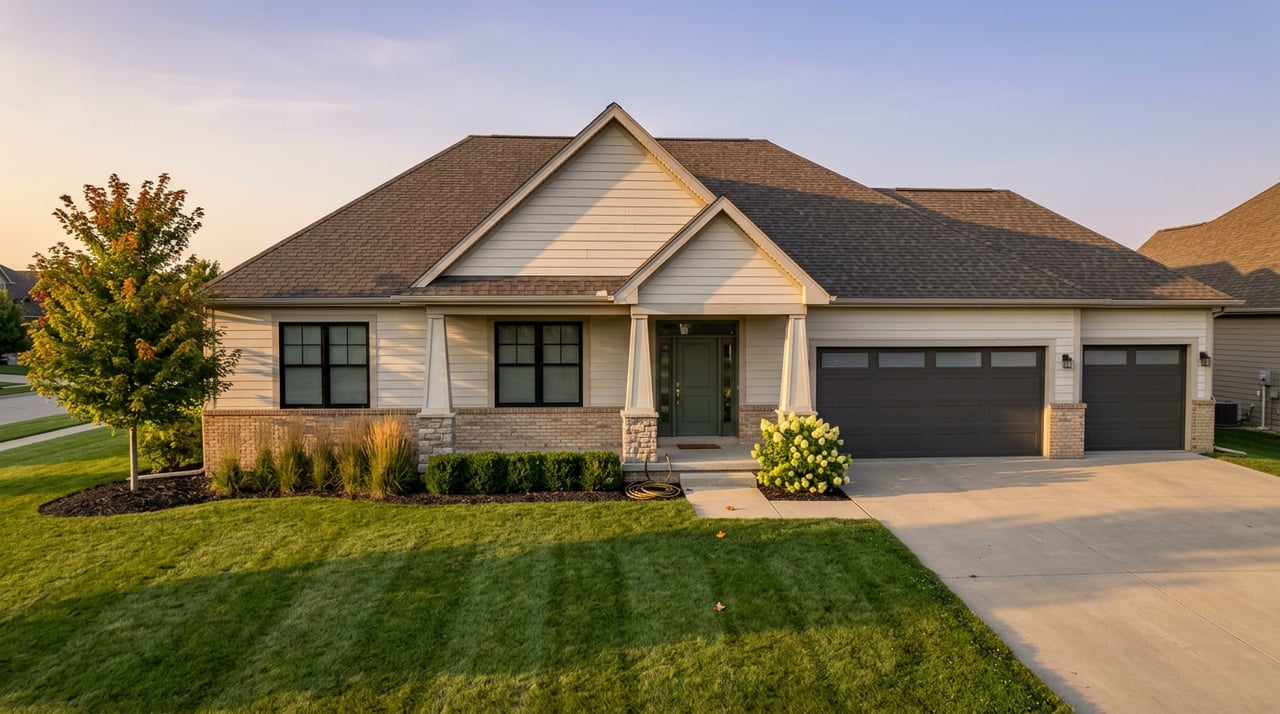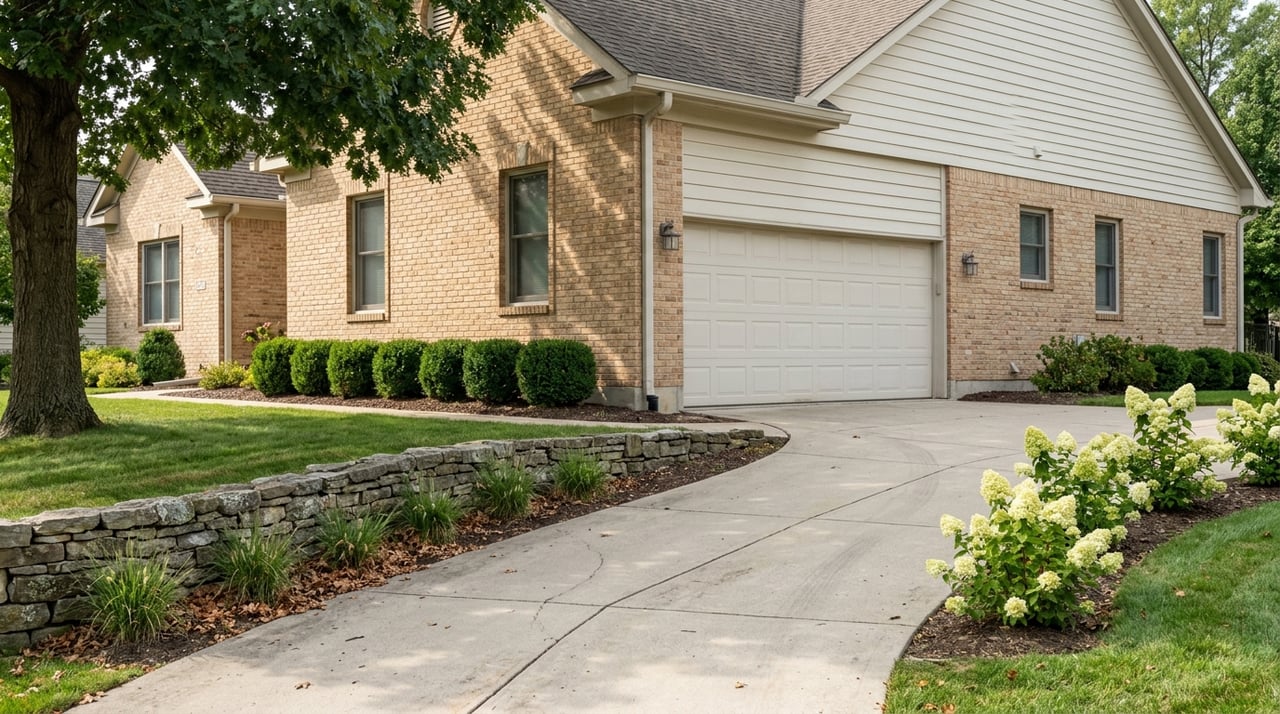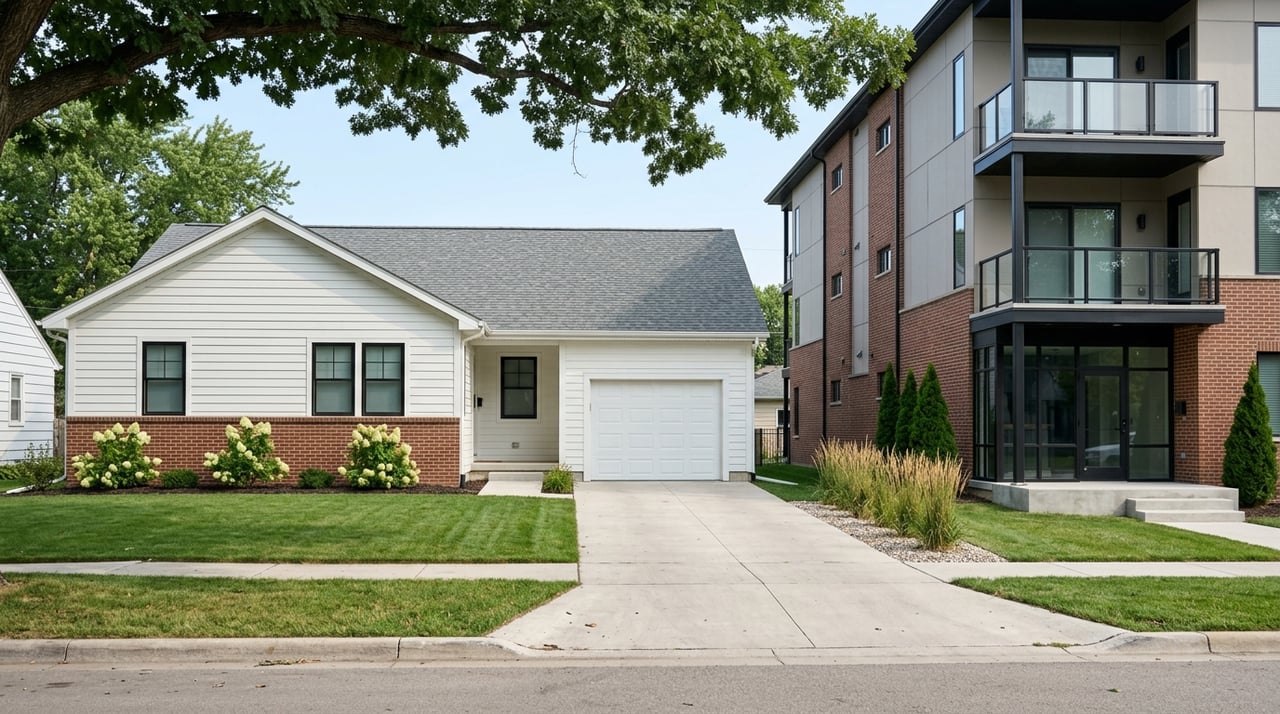
Trying to choose between a condo and a house in Omaha? You are not alone. For many buyers, this decision comes down to more than price. It is really about how you want to live, what kind of upkeep you want to handle, and how comfortable you are with shared rules and monthly costs. If you are weighing your options, this guide will help you compare the tradeoffs clearly so you can move forward with confidence. Let’s dive in.
Omaha market context
In Omaha, speed and pricing still matter. As of April 2026, Redfin reports a median sale price of $280,317 across all home types, with homes selling in about 22 days. Redfin also shows 84 condos for sale in Omaha at a median listing price of $258K.
That does not mean condos are always cheaper than houses in a direct one-to-one comparison. One number is a sale price for all home types, while the other is a current listing price for condos. Still, it does suggest that condos may offer a lower entry-price option for some buyers.
In a market like this, it helps to look beyond the list price. You also want to compare monthly ownership costs, the level of maintenance involved, and how much flexibility you want after closing.
Condo vs house ownership
What owning a condo means
In Nebraska, condo ownership works differently than owning a detached house. You own your individual unit, and you also share an interest in the common elements with other owners in the project. Common elements can include the land, foundations, roofs, hallways, lobbies, stairs, yards, gardens, and shared systems.
Some features, like balconies, patios, exterior doors, and exterior windows, may be limited common elements tied to a specific unit. That matters because maintenance responsibilities are not always as simple as “inside is yours, outside is theirs.” Before you buy, you will want to understand exactly where that line is drawn in that specific community.
The practical difference is this: the association typically maintains the common elements, while you remain responsible for the interior of your unit. That shared structure is one of the main reasons condos often feel lower maintenance than detached homes.
What owning a house means
A house usually gives you more direct control over the property. You are generally responsible for the land, the exterior, and the interior, which means you get more say over repairs, updates, and timing.
That extra control can feel freeing. It also means you are the one planning for roof work, siding repairs, lawn care, snow removal, and other upkeep that a condo association may handle in a shared community.
How monthly costs compare
Purchase price is only one part
A lower purchase price does not always mean a lower monthly cost. With a condo, you may pay HOA dues directly to the association in addition to your mortgage, taxes, and insurance.
Those dues often help pay for exterior repairs, common-area maintenance, reserve funding, and sometimes services such as water, sewer, trash, or amenities. Depending on the building and the fee amount, a condo with a lower price tag could still cost more each month than a house.
HOA dues and assessments matter
When you look at a condo, ask what the HOA fee actually covers. Two condos with similar prices can feel very different financially if one has a higher monthly fee or if one community is facing a special assessment.
You should also ask how much the association has set aside in reserves. Nebraska law makes reserve planning especially important in larger condo projects, and that financial health can affect both your budget and your lender’s comfort with the property.
Property taxes in Douglas County
In Nebraska, real property is generally assessed at or near 100% of actual value. Property taxes are calculated by multiplying taxable value by the consolidated rate in the property’s tax district.
For condos, taxes and assessments are applied to each individual unit rather than to the building as a whole. Common elements are not separately taxed. In Douglas County, the first half of property taxes becomes delinquent on April 1, and the second half becomes delinquent on August 1.
Insurance and financing differences
Condo insurance can be layered
With a condo, the association typically carries master property insurance for the common elements and residential structures. That does not always mean you are fully covered as an individual owner.
You may still need a unit-owner policy to protect your personal property, interior items, or other gaps not covered by the association’s master policy. This is one reason condo insurance can feel less straightforward than house insurance at first glance.
Condo financing depends on the project
Condo financing is often more project-sensitive than financing for a detached house. Lenders may review the physical condition of the community, its financial stability, major lawsuits, required inspections, and whether the condo is considered warrantable.
A project can run into financing issues if it has insufficient master insurance, critical repairs, pending litigation, or features that make it look more like a hotel or short-term-rental setup. For buyers, that means the condo itself is only part of the approval picture. The broader project matters too.
Lifestyle questions to ask yourself
A condo may fit better if you want less upkeep
If you like the idea of a more hands-off ownership experience, a condo may be a strong fit. Many buyers appreciate having shared responsibility for exterior maintenance and common-area care.
This can be especially appealing if you travel often, are relocating, or simply do not want to spend weekends managing snow, lawns, siding, or roof concerns. A lock-and-leave lifestyle is one of the biggest reasons buyers lean toward condos.
A condo may fit better if you are comfortable with shared rules
Condo living usually comes with community rules, appearance standards, and approval processes for some changes. That can create more predictability in how the property is maintained, but it also means you may have less freedom over certain exterior decisions.
If you prefer a more structured environment and you do not mind checking rules before making changes, that tradeoff may feel perfectly reasonable.
A house may fit better if you want more control
If you want more say over the property, a house may be the better choice. Detached homes often give you more flexibility when it comes to updates, repairs, vendors, and timing.
That does not mean houses are always easier. It simply means you are usually trading HOA dues and shared decision-making for direct responsibility and direct control.
A house may fit better if you want to manage your own upkeep budget
With a house, you typically absorb more repair and replacement risk yourself. But you also get to decide when to tackle projects and who does the work.
For some buyers, that feels more efficient and more flexible. For others, it feels like too much to manage. The right answer depends on your budget, your schedule, and your comfort level with home maintenance.
Smart questions for Omaha buyers
Before you decide, it helps to compare each option with the same checklist. Here are a few useful questions to ask:
- What is the full monthly cost, including mortgage, taxes, insurance, and any HOA dues?
- What exactly does the HOA fee cover?
- How much money is in reserves?
- Are any special assessments planned or recently approved?
- What maintenance will you handle personally after closing?
- What rules apply to parking, storage, rentals, or exterior changes?
- Has the lender reviewed the condo project’s insurance, finances, and eligibility?
If you are comparing a condo and a house at similar price points, this kind of side-by-side review can bring the decision into focus quickly.
How to make the final call
The condo-versus-house decision in Omaha usually comes down to one core question: do you want to pay more of your ownership costs through HOA dues and shared maintenance, or through direct responsibility for the land and the building?
Neither option is automatically better. A condo can offer lower day-to-day maintenance and a more managed ownership experience. A house can offer more autonomy and more room to make decisions on your own timeline.
If you are a first-time buyer, relocator, or someone trying to simplify your next move, it helps to look at your lifestyle first and the property type second. When your home choice matches the way you actually want to live, the numbers tend to make more sense too.
If you want help comparing condo and house options in Omaha, Rachel Rentschler can walk you through the tradeoffs, explain the local details, and help you find the right fit for your goals.
FAQs
What is the main difference between owning a condo and a house in Omaha?
- In Nebraska, condo ownership means you own your unit and share an interest in common elements, while a house usually gives you direct ownership and responsibility for the whole property.
Are condos in Omaha always cheaper than houses?
- Not always. Condos may have a lower entry price in some cases, but HOA dues, insurance needs, and special assessments can change the monthly cost.
What do condo HOA fees usually cover in Omaha?
- HOA fees often help cover exterior and common-area maintenance, reserve funding, and sometimes services like water, sewer, trash, insurance, or amenities, depending on the community.
Why is condo financing different from house financing in Omaha?
- Lenders often review the entire condo project, including its insurance, financial stability, repairs, and legal issues, not just the individual unit.
How are condo property taxes handled in Douglas County?
- Condo taxes are assessed against each individual unit, not the building as a whole, and common elements are not separately taxed.
How do I know if a condo or house fits my lifestyle in Omaha?
- If you want less exterior upkeep and are comfortable with shared rules, a condo may fit better. If you want more control and do not mind managing more maintenance, a house may be the better choice.